
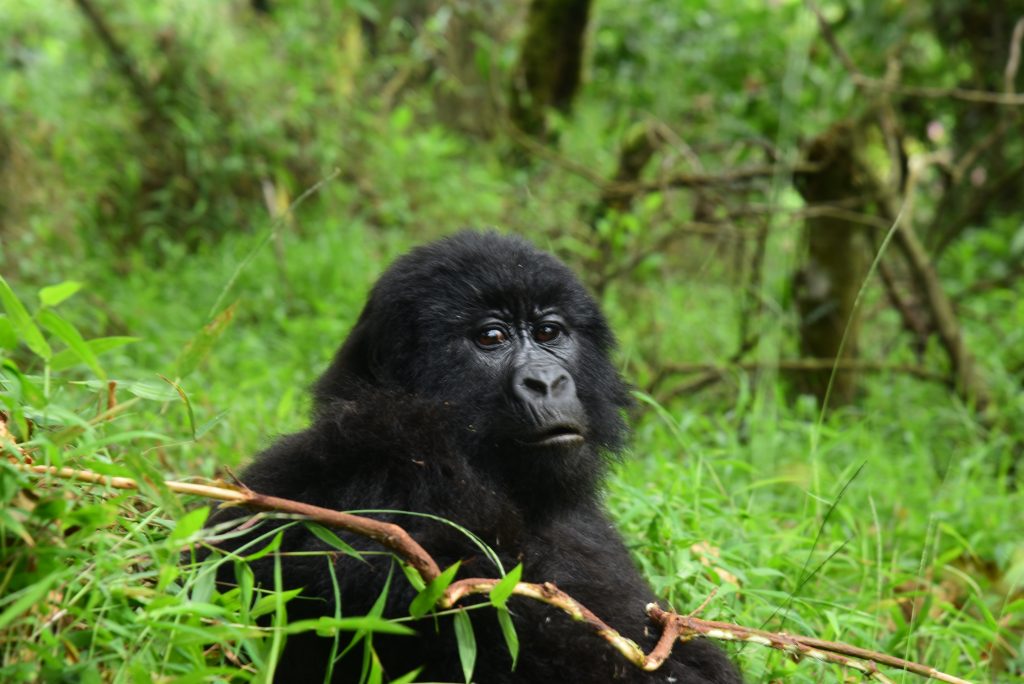
Are Gorilla Safaris Safe? What Every Traveller Should Know
For many travellers, seeing mountain gorillas in their natural habitat is a once-in-a-lifetime dream. But before stepping into the forest, one question often comes to mind: Are gorilla safaris safe?
The short answer is yes. Gorilla safaris in Uganda and Rwanda are generally safe when visitors follow the rules established by park authorities and listen carefully to their guides and rangers. However, mountain gorillas are wild animals, and the forest is a natural environment where conditions can change unexpectedly.
Understanding what to expect, how to behave around gorillas, and how to prepare for the trek can make a significant difference to your experience.
Are Gorilla Safaris Safe for Visitors?
Gorilla trekking is a carefully managed wildlife activity. Visitors do not simply enter the forest and search for gorillas on their own. Treks follow established procedures, and trained guides and park rangers accompany visitors and explain the precautions they must observe.
Before entering the forest, trekkers receive a briefing on safety, gorilla behaviour, and the rules governing encounters. These measures help reduce risks and protect the animals from unnecessary disturbance.
Although incidents are uncommon, no encounter with wild animals is completely without risk. Visitors should therefore remain attentive and follow the instructions given throughout the trek.
Understanding Gorilla Behaviour
Mountain gorillas are generally peaceful animals, but they are still wild. Their behaviour can change if they feel threatened, startled, or disturbed.
Habituated gorilla families have become accustomed to the carefully managed presence of people. This does not mean they are tame or that their behaviour can always be predicted.
During a trek, a gorilla may move closer, change direction, or display behaviour that visitors do not immediately understand. In such situations, the most important thing is to remain calm and let the guide direct your response.
Never attempt to touch a gorilla, approach it for a photograph, or move away from the group without permission. Giving these animals space allows them to continue their natural activities with as little disturbance as possible.
What Makes Gorilla Trekking Safe?
Several precautions help make organised gorilla safaris safer for visitors.
Experienced guides and rangers: Their knowledge of the forest and gorilla behaviour helps visitors understand how to conduct themselves during an encounter.
Pre-trek briefings: Before setting off, visitors learn the rules they must follow, including how to behave when they find a gorilla family.
Controlled encounters: Park authorities regulate gorilla trekking to manage visitor numbers and limit disturbance to the animals.
Distance and health rules: Visitors must follow the required viewing distance and health precautions established by park authorities. These measures help protect both people and gorillas.
Following these procedures is essential. A safe encounter depends not only on the work of guides and rangers but also on the decisions each visitor makes.
What Risks Should You Expect on a Gorilla Safari?
The main challenges are not necessarily the gorillas themselves. Much depends on the forest terrain, weather, and physical demands of the trek.
Trails can be steep, muddy, slippery, and covered with exposed roots. In some cases, finding a gorilla family requires several hours of walking through thick vegetation. Rain may make the ground more difficult to navigate, while long hikes can leave visitors tired.
To prepare for these conditions:
- Wear sturdy hiking boots with good grip.
- Choose long trousers and long-sleeved clothing to protect your skin.
- Carry a waterproof jacket.
- Bring drinking water and follow your guide’s advice.
- Walk carefully, especially on steep or slippery ground.
- Consider hiring a porter to carry your backpack.
- Tell your tour operator in advance if you have mobility concerns or need special assistance.
A reasonable level of fitness and the right equipment can make the experience more comfortable.
How Should You Behave During a Gorilla Encounter?
The moment you finally see a mountain gorilla can be exciting, and it is easy to become distracted by the opportunity to take photographs. However, this is the time to pay particular attention to your guide.
Remain calm and keep your movements controlled. Speak quietly, maintain the distance instructed by the ranger, and never attempt to feed or touch the gorillas. Avoid flash photography and follow directions about where to stand and when to move.
If a gorilla approaches or behaves unexpectedly, do not run or react suddenly. Listen to your guide and follow the instructions provided for that situation.
These simple actions help protect visitors while ensuring that the gorillas are observed respectfully.
Can You Catch an Illness During Gorilla Trekking?
Health precautions are an important part of gorilla tourism because mountain gorillas are susceptible to certain human diseases, particularly respiratory infections.
A visitor with a cold, flu-like symptoms, or another potentially infectious illness should inform the tour operator and park authorities before trekking. Depending on the circumstances and applicable rules, an unwell visitor may not be permitted to participate.
Visitors should also follow the hygiene instructions provided during the briefing and avoid any direct contact with gorillas.
Protecting the animals’ health is a shared responsibility, and these precautions are essential to responsible gorilla tourism.
Are Gorilla Safaris Safe in Uganda and Rwanda?
Uganda and Rwanda are both established destinations for mountain gorilla trekking, with protected parks and organised tracking procedures.
In Uganda, visitors can trek gorillas in Bwindi Impenetrable National Park and Mgahinga Gorilla National Park. In Rwanda, gorilla trekking takes place in Volcanoes National Park.
The experience in either country requires preparation, respect for wildlife, and compliance with the relevant park regulations. Trail conditions and trekking difficulty can vary, so travellers should discuss their needs before booking and check current official guidance before departure.
Final Thoughts: Are Gorilla Safaris Safe?
Gorilla safaris are generally safe when organised responsibly and undertaken according to park regulations. The key is to understand that mountain gorillas are wild animals, prepare for the forest conditions, and follow the guidance of experienced professionals.
For travellers who dream of seeing these remarkable animals in their natural environment, a well-planned gorilla safari can be an unforgettable experience. Taking safety seriously helps make that encounter more enjoyable for visitors while protecting the gorillas that make it possible.
Planning a gorilla safari in Uganda?
Leone Tours & Travel Uganda Ltd can help you arrange your gorilla trekking permits, accommodation, private transport, and professional guiding.
Leone Tours & Travel Uganda Ltd
Crafting unforgettable moments in luxury.
- Email: info@leonetourstravel.com
- Call/WhatsApp: +256 709 891 706
- Address: P.O. Box 702338, Entebbe, Uganda
