
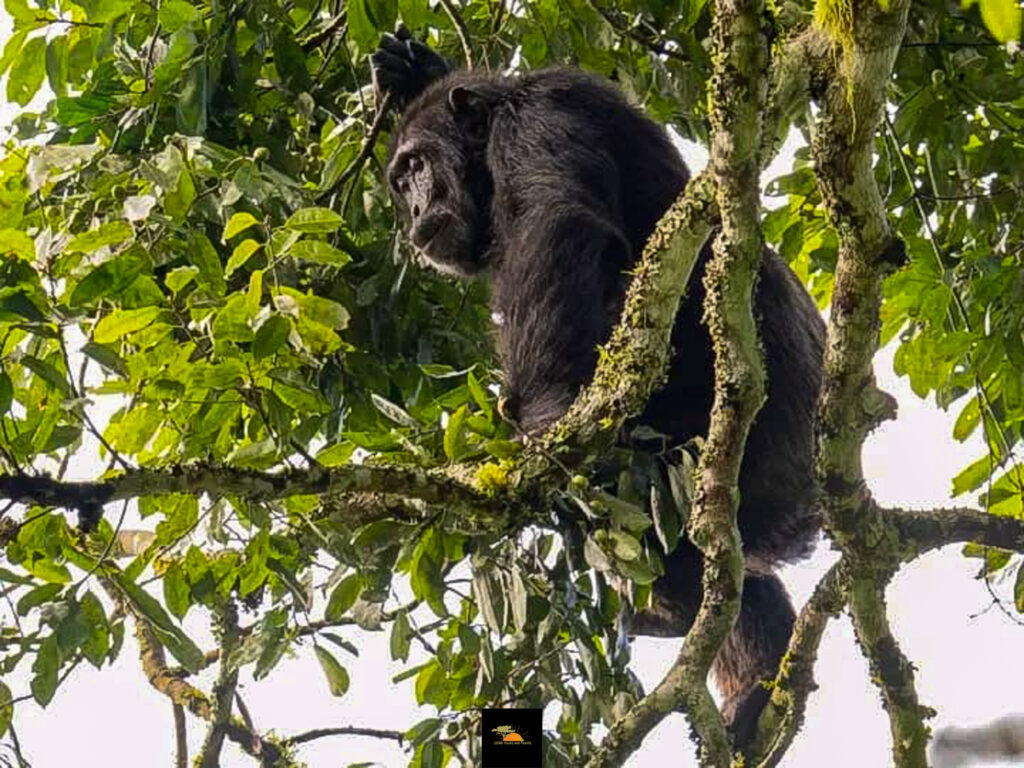
Gorilla Trekking During Rainy Season
Gorilla trekking during rainy season is a rewarding way to experience Uganda’s mountain gorillas in their natural rainforest habitat. Although rain can make forest trails muddy and slippery, it does not mean you should postpone your gorilla trekking adventure. With suitable preparation, experienced local guides, and the right equipment, you can enjoy an unforgettable encounter with these remarkable primates.
Uganda offers mountain gorilla trekking in Bwindi Impenetrable National Park and Mgahinga Gorilla National Park. Both destinations welcome visitors throughout the year, including during the rainy months. However, wet weather changes the trekking conditions, so understanding what to expect helps you plan a comfortable and enjoyable trip.
At Leone Tours & Travel Uganda Ltd, we help travelers plan gorilla trekking experiences that suit their travel dates, interests, and budgets. Whether you want a short gorilla trekking trip or a longer Uganda wildlife safari, our local team can help you organize transport, accommodation, permits, and guided activities.
Is Gorilla Trekking During Rainy Season Possible?
Yes, gorilla trekking during rainy season is possible in Uganda. Mountain gorillas live in tropical forests, where rainfall occurs throughout the year. Therefore, visitors can trek during both the wetter and drier months.
Uganda generally experiences two main rainy seasons. The longer rainy period usually runs from March to May, while the shorter rainy period often occurs from October to November. However, rainfall patterns can vary, and showers may also occur during the traditionally drier months.
During the rainy season, park rangers and guides continue to lead trekking groups while assessing trail conditions and safety. You should expect more mud, slippery slopes, and occasional changes to the route. Nevertheless, with proper footwear and a flexible schedule, rainy-season trekking can be a memorable wildlife experience.
What Is Gorilla Trekking Like During Rainy Season?
Gorilla trekking during rainy season feels different from trekking during drier months. The forest becomes greener, the air often feels fresh, and mist may drift between the hills. You can experience the beauty of Uganda’s rainforest while following experienced guides through the gorillas’ natural habitat.
However, the forest terrain can become challenging after heavy rainfall. Some paths pass through steep slopes, exposed roots, thick vegetation, and muddy sections. As a result, you may need to walk carefully, use a walking stick, and allow extra time to reach the gorilla family.
The length of the trek also varies. Some groups find gorillas relatively close to the starting point, while others walk for several hours. Rain does not guarantee a shorter trek, so prepare for a physically demanding day.
Once your group finds the gorillas, you can observe their natural behavior under the guidance of the park rangers. You may see a silverback resting, mothers caring for their young, or juveniles playing among the vegetation. The weather may affect your comfort and photography, but it does not remove the special value of seeing mountain gorillas in the wild.
Advantages of Gorilla Trekking During Rainy Season
Although many travelers prefer the drier months, gorilla trekking during rainy season offers several advantages. If you prepare well and understand the conditions, the wet season may suit your travel plans particularly well.
1. Enjoy a Beautiful Green Rainforest
Rainfall nourishes the vegetation in Bwindi Impenetrable National Park and Mgahinga Gorilla National Park. During the wetter months, the forest often looks lush, fresh, and vibrant.
The mist, green hills, and dense vegetation also create beautiful scenery for nature lovers and photographers. In addition, the forest offers a wonderful opportunity to appreciate Uganda’s rich biodiversity beyond the gorillas themselves.
2. Experience a Quieter Travel Period
The rainy season often attracts fewer visitors than the popular dry-season months. Consequently, some lodges and tourism providers may offer more competitive rates or greater flexibility, depending on demand and availability.
A quieter period can appeal to travelers who prefer a more relaxed holiday. However, gorilla permits remain subject to availability and applicable pricing rules, so always confirm the current arrangements before booking.
3. Find Potential Accommodation Savings
Some accommodation providers offer seasonal promotions during periods of lower demand. Therefore, gorilla trekking during rainy season may help you manage your overall safari budget.
The actual savings depend on your travel dates, lodge category, and booking conditions. Gorilla permits, transport, meals, and other safari expenses still contribute to the total cost. For this reason, request a complete quotation before deciding which season offers the best value.
4. Combine Gorilla Trekking With Other Experiences
A rainy-season gorilla safari can include more than a trek through the forest. Depending on your itinerary, you can visit local communities, enjoy scenic drives, explore cultural attractions, or combine gorilla trekking with wildlife viewing in another national park.
For example, you could plan a gorilla trekking experience in Bwindi and add time at Lake Bunyonyi. Alternatively, you can explore other parts of southwestern Uganda before returning to Entebbe or Kampala.
Because rain may affect road travel and outdoor activities, leave enough time between destinations rather than planning a very tight schedule.
Challenges of Gorilla Trekking During Rainy Season
Gorilla trekking during rainy season has advantages, but it also presents challenges that travelers should understand before booking.
Slippery and Muddy Trails
Rain softens the forest floor and makes some paths slippery. Steep climbs and descents can become especially demanding when mud covers the trail.
To manage these conditions, wear sturdy hiking boots with good ankle support and deep tread. In addition, take your time on steep sections and follow your guide’s instructions. Trekking poles or a suitable walking stick can provide extra stability.
Rain and Changing Weather
The weather can change quickly in a mountain rainforest. A clear morning may give way to rain later in the day, so do not rely on the morning forecast alone.
Carry a waterproof jacket and protect your daypack from moisture. Moreover, keep a dry layer of clothing available for after the trek, especially if you have a long drive to your lodge.
Greater Physical Effort
Wet trails may require more concentration, balance, and energy. Depending on the gorilla family’s location, you might walk uphill or downhill for several hours.
Prepare by walking regularly before your trip and choosing comfortable, well-tested hiking boots. If you have concerns about your fitness or mobility, discuss them with your tour operator before booking so that you can plan appropriately.
Photography Can Be More Difficult
Rain, mist, low light, and dense vegetation can make wildlife photography more challenging. Water can also damage cameras, phones, and other electronic equipment.
Use a rain cover or waterproof camera bag, and keep spare batteries and memory cards in a dry pouch. If you want to photograph gorillas, bring equipment you can handle comfortably while standing on uneven ground. Always follow the guides’ instructions and avoid using flash.
What to Wear for Gorilla Trekking During Rainy Season
Choosing suitable clothing is essential for comfort and safety during a wet-season trek. Your clothes should protect you from rain, mud, insects, and vegetation while allowing you to move freely.
We recommend wearing:
- Waterproof hiking boots: Choose boots with strong grip and ankle support. Break them in before your trip to reduce the risk of blisters.
- Long trousers: These protect your legs from scratches, mud, and insects.
- Long-sleeved shirts: Wear comfortable layers that protect your arms from vegetation.
- A waterproof jacket: Select a breathable jacket with a hood to protect you from rain.
- Gardening or work gloves: These can help protect your hands when you need to hold vegetation for balance, but avoid grabbing plants unless your guide advises you to do so.
- Gaiters or long socks: These help prevent mud and debris from entering your boots.
- A warm layer: Mountain forest mornings can feel cool, especially after rain.
- A small waterproof daypack: Use it to carry your water, snacks, and essential items.
Above all, choose practical clothing rather than new gear that you have never tested. Comfortable boots and reliable rain protection can make a significant difference to your experience.
Essential Items to Pack for Rainy-Season Gorilla Trekking
In addition to suitable clothing, prepare a small daypack with the items you may need during the trek.
- Drinking water and energy-giving snacks.
- A waterproof cover or dry bag for your belongings.
- A camera rain cover or waterproof pouch for your phone.
- Insect repellent and sunscreen.
- Personal medication and basic first-aid supplies.
- A walking stick or trekking poles, if suitable.
- A small towel and dry clothes for after the trek.
- Your required travel documents and gorilla permit details.
Keep your pack light because you may carry it for several hours. If you need help carrying your belongings or want extra support on the trail, ask your tour operator about arranging a porter.
Hiring a porter can also support local livelihoods around the national parks. However, you should still carry any essential personal items that you may need immediately.
Gorilla Trekking During Rainy Season in Bwindi Impenetrable National Park
Bwindi Impenetrable National Park is one of Uganda’s main destinations for mountain gorilla trekking. Its dense rainforest, steep hills, and varied terrain make every trek a unique experience.
Rain can make Bwindi’s trails more difficult, particularly on steep slopes and muddy paths. Nevertheless, the park remains an excellent destination for visitors who prepare for wet conditions.
Bwindi has several gorilla trekking sectors, and the best starting point depends on your permit allocation and travel plans. Your accommodation should match the sector where you will trek to avoid unnecessary early-morning travel.
When planning gorilla trekking during rainy season in Bwindi, consider the following:
- Allow enough time to reach the park and settle into your lodge before trekking day.
- Choose accommodation that offers convenient access to your assigned trekking sector.
- Carry waterproof clothing and boots with reliable grip.
- Discuss your fitness level and any mobility concerns with your tour operator.
- Keep your itinerary flexible in case rain affects road conditions or other activities.
With the right arrangements, you can enjoy Bwindi’s rich rainforest environment and the opportunity to observe mountain gorillas in their natural habitat.
Gorilla Trekking During Rainy Season in Mgahinga Gorilla National Park
Mgahinga Gorilla National Park offers another opportunity to see mountain gorillas in Uganda. The park lies within the Virunga volcanic landscape and features montane forest, bamboo vegetation, and scenic mountain views.
Rain can make the park’s trails slippery, particularly on steep sections. Therefore, sturdy footwear, waterproof clothing, and careful walking remain important.
Mgahinga can also suit travelers who want to combine gorilla trekking with other activities, depending on their interests and the available schedule. However, weather conditions can affect visibility and outdoor comfort, so allow enough time to enjoy the destination without rushing.
When choosing between Bwindi and Mgahinga, consider permit availability, accommodation, travel distance, and the overall itinerary. Your tour operator can help you select the most practical option for your dates.
Does Rain Affect Mountain Gorilla Sightings?
Rain does not automatically prevent visitors from seeing mountain gorillas. The gorillas live in the forest throughout the year, and trained trackers and park rangers help trekking groups locate the assigned family.
However, mountain gorillas move through their habitat to feed, rest, and carry out their normal activities. Therefore, no one can guarantee exactly how long the search will take or where the gorillas will be found.
Rain may affect the trekking route, walking speed, visibility, and comfort. In some cases, the gorillas may remain within relatively accessible areas; in others, reaching them may require a longer hike. The weather alone cannot predict the difficulty of your trek.
Once you find the gorillas, park rules govern the encounter, including the time visitors can spend with the family. Follow the ranger’s instructions at all times to protect both visitors and gorillas.
Is Gorilla Trekking During Rainy Season Safe?
Gorilla trekking during rainy season can be undertaken with appropriate preparation and guidance. However, wet conditions increase the risk of slipping, falling, and struggling on steep trails.
Park rangers assess conditions and guide visitors along suitable routes. If severe weather or dangerous trail conditions arise, follow the instructions of park staff and your guide. Safety should always take priority over completing a particular route.
You can reduce avoidable risks by wearing suitable boots, walking at a steady pace, using support on slippery sections, and carrying enough water. Tell your guide if you feel unwell, become exhausted, or need a short break.
Also, respect the gorillas’ space and follow all wildlife viewing rules. Your guide will explain how to behave during the encounter, including how to respond if a gorilla moves closer.
What Is the Best Month for Gorilla Trekking During Rainy Season?
Uganda’s rainy periods generally fall between March and May and between October and November. However, the intensity and timing of rainfall vary from year to year, and local conditions can differ between destinations.
March to May: This period usually brings the longer rains. Trails can become very muddy, so travelers should prepare for more demanding hiking conditions. On the other hand, the forest is often exceptionally green.
October to November: These months usually bring the shorter rainy period. Conditions vary from day to day, so some treks may experience light showers while others encounter heavier rain.
The best month depends on your priorities. If you want firmer trails, the drier months of June to September and December to February are often more comfortable. However, if you can manage wet conditions and prefer lush forest scenery, the rainy season can still be a good time to visit.
Regardless of when you travel, book your gorilla permit in advance and confirm the arrangements for your chosen dates.
How to Plan a Gorilla Trekking Safari During Rainy Season
Good planning makes a real difference to your gorilla trekking experience. Instead of focusing only on the weather, consider the full journey, from arrival in Uganda to your return transfer.
First, choose your preferred trekking destination. Bwindi and Mgahinga both offer mountain gorilla trekking, but your travel time and accommodation options will differ.
Next, confirm permit availability for your intended dates before finalizing the rest of your itinerary. Then arrange accommodation near the appropriate trekking area and plan transport that allows enough time for the journey.
You should also discuss your preferred accommodation level, number of travelers, and any additional activities you would like to include. For example, you could combine gorilla trekking with a visit to Lake Bunyonyi, a cultural experience, or a longer wildlife safari.
Finally, pack for wet weather even if the forecast looks favorable. A flexible itinerary, suitable clothing, and experienced local support help you manage changing conditions more comfortably.
Why Book Your Rainy-Season Gorilla Trekking Safari With Leone Tours & Travel?
At Leone Tours & Travel Uganda Ltd, we organize private gorilla trekking safaris in Uganda and help travelers plan around their preferred dates, interests, and budgets.
Our team can assist with gorilla permits, accommodation, private transport, professional driver-guides, and other agreed safari arrangements. We also help you select a practical route and allow enough time for the journey to your trekking destination.
For rainy-season travel, we pay particular attention to preparation and realistic scheduling. We can advise you on suitable clothing, accommodation locations, transport arrangements, and activities that complement your gorilla trekking experience.
Whether you are planning a short trip to Bwindi or a longer safari that combines gorillas with Uganda’s wildlife parks, we can create a private itinerary around your needs.
Our goal is to help you experience Uganda’s mountain gorillas with clear communication, thoughtful planning, and reliable local support.
Frequently Asked Questions About Gorilla Trekking During Rainy Season
Can you see gorillas when it rains?
Yes. Gorilla trekking continues during rainy weather when conditions allow. Rain may make the trails more challenging, but it does not automatically prevent visitors from finding the gorillas.
Is gorilla trekking harder during rainy season?
It can be. Muddy paths, slippery slopes, and wet vegetation may increase the physical challenge. Suitable boots, careful walking, and guidance from experienced rangers can help you manage these conditions.
Should I avoid gorilla trekking during the rainy season?
Not necessarily. If you are comfortable with hiking in wet conditions and prepare properly, rainy-season trekking can be rewarding. However, travelers who prefer firmer trails may find the drier months more suitable.
Do I need waterproof boots for gorilla trekking?
Waterproof hiking boots with good ankle support and strong grip are highly recommended. Ordinary trainers may offer poor grip on muddy slopes and can leave your feet wet and uncomfortable.
Can I take photos of gorillas during rainy season?
Yes, but rain and mist may make photography more challenging. Protect your camera and phone with waterproof covers, and follow the guides’ instructions. Flash photography is not permitted during the gorilla encounter.
Does rainy season reduce the cost of a gorilla safari?
Some lodges and tourism providers may offer lower rates during quieter periods. However, the total cost depends on your permit, accommodation, transport, activities, and travel dates. Request a personalized quotation to understand the full price.
How long does gorilla trekking take during rainy season?
The duration varies according to the location of the gorilla family, the terrain, and the day’s conditions. The search can take several hours, so prepare for a full morning or longer and avoid scheduling a tight transfer immediately afterward.
Book Your Gorilla Trekking During Rainy Season Safari
Gorilla trekking during rainy season offers the chance to experience Uganda’s mountain gorillas while the rainforest displays its rich green vegetation and dramatic scenery. Although wet trails require extra care, the right preparation and a well-planned itinerary can help you enjoy this extraordinary wildlife encounter.
If you are planning gorilla trekking in Bwindi Impenetrable National Park or Mgahinga Gorilla National Park, contact Leone Tours & Travel Uganda Ltd for assistance with permits, accommodation, transport, and a private safari tailored to your needs.
Leone Tours & Travel Uganda Ltd
- Website: https://www.leonetourstravel.com
- Email: info@leonetourstravel.com
- Call or WhatsApp: +256 709 891706
Start planning your gorilla trekking adventure with a local team that understands Uganda’s destinations and can help you prepare for the conditions of the rainy season.
